

Nvidia Export Lobbying Under Pressure
A board investigation and China chip-smuggling scrutiny put Nvidia’s export-control fight in a tougher position.
NvidiaAI Chips
China is drafting tighter export controls for 23 AI technology areas, including frontier model weights, source code, architecture, and training methods, while preserving a fast-track path for registered open-source releases.

China’s commerce and science ministries have released a draft update to the country’s banned and restricted export technology list. The proposal targets 23 AI technology areas, including large models, AI agents, compute clusters, and data processing. The strictest treatment is reserved for AI tools that can autonomously write or alter malware to attack critical infrastructure, military targets, or government agencies, which face a total export ban.
Large AI models would face controls in two main cases: when they are trained on China’s “important data,” or when their core technologies meet frontier-scale thresholds. The covered technologies include model weights, checkpoints, source code, architecture, and training or inference methods. Controls apply once a model reaches 10^26 FLOPs of training compute, has at least 2 trillion parameters, or ranks in the global top 10 by public evaluations, task performance, safety, or usage.
The draft plan includes automatic licensing for restricted AI technology and weights published as open source, with clearance once the company files the paperwork. AI technology that is already public through open-source releases or research papers is exempt from the new rules. The same fast-track path also applies to certain overseas activity by Chinese firms, including running their own data centers abroad, overseas chip tape-outs, foreign research partnerships, and standards work.
Accessing restricted models through API calls, apps, websites, SaaS tools, or lightweight local-device versions remains outside the export controls. Installing restricted AI technology on local servers abroad would require a standard export license, though companies may still use a streamlined process if the software runs on their own overseas cloud. The likely practical effect is that Western companies relying on open-weight AI may lean harder on domestic models, while Europe’s strategy of running open-weight models in local clouds could face new uncertainty if leading models can be cut off by export controls.
A board investigation and China chip-smuggling scrutiny put Nvidia’s export-control fight in a tougher position.
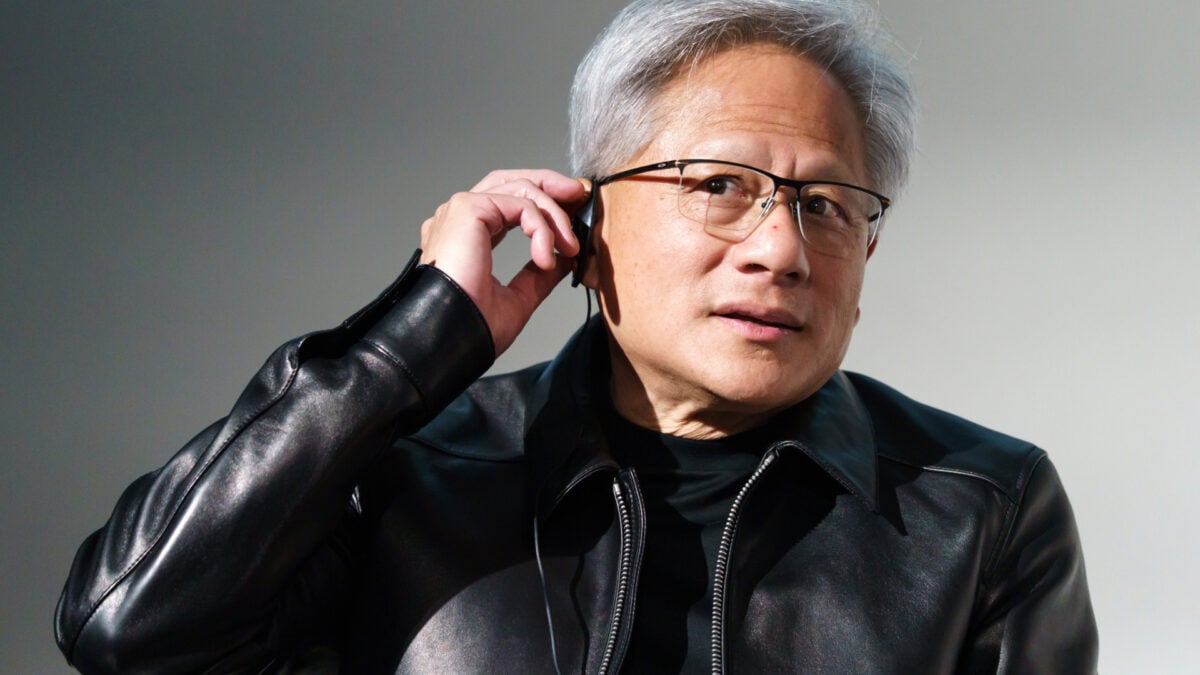
Nvidia says an independent committee will review the situation involving Jensen Huang and reported China spying allegations.
Volvo is cutting 2,500 jobs as China competition and EV-market pressures squeeze the automaker.

Muse Spark Open runs locally on Apple silicon, with major memory demands.