
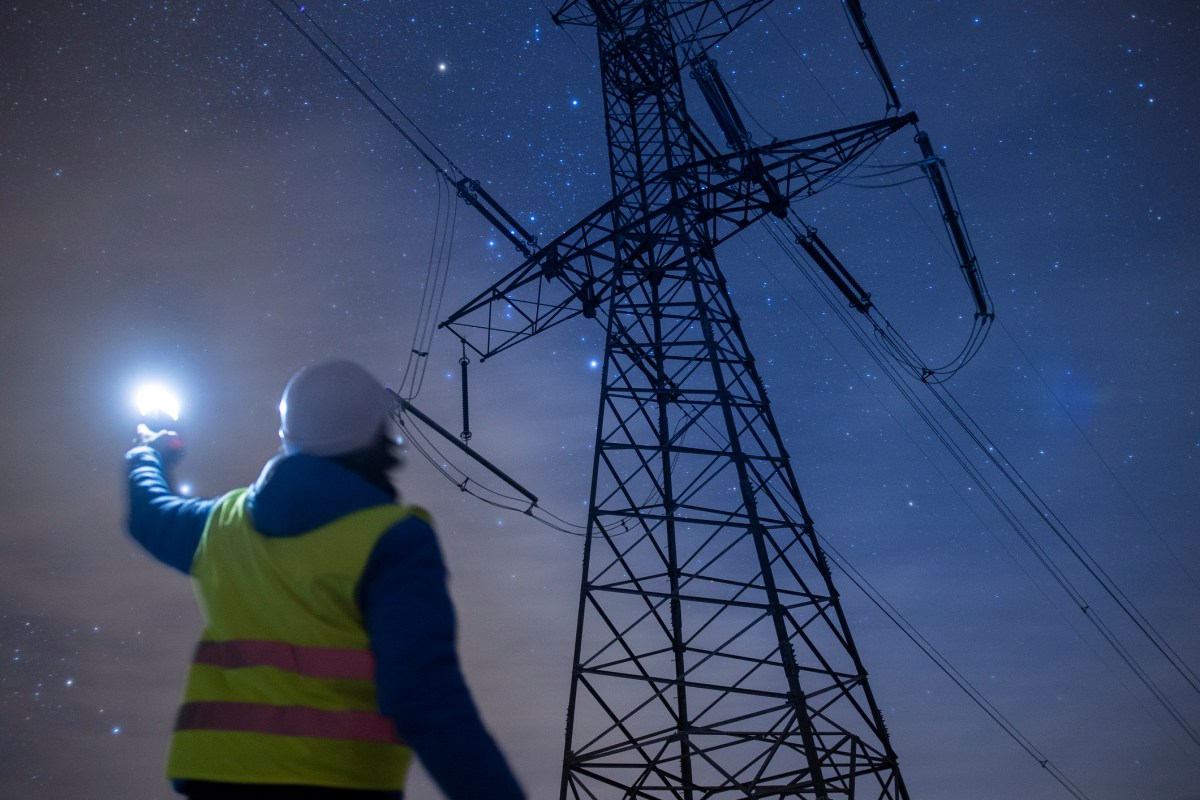
Grid disturbances explained
Researchers linked global minute-by-minute grid sags to synchronized UPS and battery checks.
electrical gridUPS
TechCrunch reports that Everbloom’s renoa, approved as the first new fiber classification in 25 years, is designed to mimic natural fibers while using waste protein sources.

TechCrunch reports that Everbloom’s new material, renoa, is the first new fiber classification approved by the U.S. Federal Trade Commission in 25 years. The startup is developing it as a substitute material that can deliver a familiar cashmere-like experience while being washable and potentially more affordable. The key reader takeaway: renoa is not just a lab sample; Everbloom is working toward consumer products.
The article frames renoa against cashmere’s rise across fashion, from luxury sweaters to lower-priced crewnecks and even running shirts. Cashmere remains relatively expensive, can be hard to care for, and is described as environmentally fraught because goats that produce cashmere have affected rangelands across Central Asia. Renoa’s pitch is to offer some of the feel consumers associate with cashmere while addressing practical care and cost barriers.

Renoa is made from waste protein sources, including cashmere and wool scraps as well as down and feather lint left over from the bedding industry. Everbloom processes that waste into a powder, blends it with a biodegradable biopolymer, and extrudes the result to the length and diameter needed to mimic specific natural fibers. The company has been developing the fiber for three years and also built its own AI model for material science.

At Everbloom’s New York City headquarters, TechCrunch saw sample items including a crewneck sweater, knit gloves, and a scarf. The sweater and gloves were described as soft and light, while the scarf stood out because it had been worn and washed for months, including a tumble-dryer cycle, without reported pilling or shrinkage. Everbloom is working with companies on consumer products, with early items likely to use renoa as a blended fiber; the article says a first product is expected in the second quarter of 2027.
Researchers linked global minute-by-minute grid sags to synchronized UPS and battery checks.