
Tiny-Home Build Checklist
What to weigh before building a tiny home, from costs to lifestyle fit.
Tiny HomesReal Estate
Austin set a 2018-2027 goal to build 20,000 homes for extremely low-income residents, but city documents show just 543 were built as of 2024 while 15,000 units for higher-income affordable housing targets were completed.
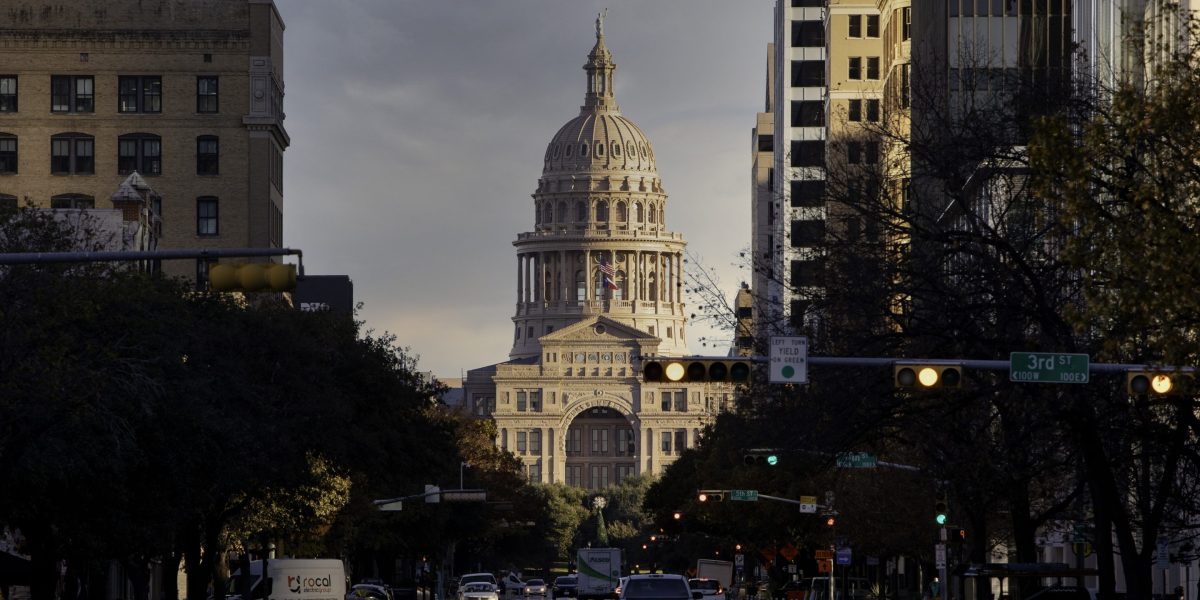
Austin officials set a goal of building 20,000 units between 2018 and 2027 for extremely low-income people, a group described as 17% of the city’s households. City documents show just 543 of those homes were built as of 2024. At the same time, all 15,000 units planned for residents earning between 60% and 80% of area median income were built.
More than 4,500 Austin units classified as affordable are vacant, a vacancy rate of nearly 16%, according to CoStar figures cited in the report. The article notes that a healthy vacancy rate is around 5%. The key tension: some affordable units aimed at 60% AMI renters are competing with recently built market-rate apartments that can offer faster approvals and fewer income-verification hurdles.
The article cites the National Low Income Housing Coalition’s finding that about 4 million affordable rental units are available for 11 million extremely low-income renter households. Those households include people below federal poverty guidelines or at 30% of area median income, whichever is higher. About three-quarters of extremely low-income renter households pay more than half their income on rent and utilities, leaving little for other necessities.
The reporting highlights a structural problem: homes for the lowest-income renters often need deeper subsidy than affordable housing developers can cover through rents alone. The Low-Income Housing Tax Credit has financed nearly 4 million affordable units nationwide over 40 years, but only about 12% of units financed in 2024 were set aside for extremely low-income renters. Austin’s housing department said it recognizes the need to produce more housing for the poorest residents and is giving preference to funding proposals that include 30% AMI units.
What to weigh before building a tiny home, from costs to lifestyle fit.
New real estate platforms are giving buyers and sellers more ways to manage commissions and transactions.
High rates and high prices are keeping buyers and sellers on the sidelines.
A $347,000 home became four Airbnb units after house and garage renovations.