
Fireworks AI’s Asteroids demo
A five-second Asteroids demo points to why faster AI agents matter.
Artificial IntelligenceAI Agents
Business and tech powerbrokers are weighing what the 2026 midterm results could mean for AI, data centers, congressional scrutiny, and high-net-worth policy debates.
The 2026 midterm elections delivered major wins for Democrats, reshaping the balance of power in Washington, according to Business Insider. Business leaders, tech executives, and investors are now assessing how flipped Senate and House seats could affect their industries. The immediate takeaway for readers: expect more attention on regulation, congressional oversight, and the political positioning of high-profile executives.
Business Insider highlighted Texas, where James Talarico won his Senate race despite more than $150 million in funding from Elon Musk for Republican rival Ken Paxton. The report also says Musk gave $446 million to midterm campaigns, mostly in Texas. For companies and investors, the result signals that political spending alone may not guarantee policy-friendly outcomes.
Some tech leaders are connecting the results to scrutiny over data centers and AI. Musk posted on X that “Data centers in space” were “looking pretty appealing,” while AMD CEO Lisa Su said tech needs to make the benefits of AI clearer to local communities that host data centers. The practical implication: industry leaders may need stronger public cases for how AI infrastructure benefits communities, not just companies.
LinkedIn cofounder Reid Hoffman, described by Business Insider as a Democratic megadonor, said voters demanded “a different kind of country” and rejected the status quo across multiple states. The article also notes that some business and tech leaders who sought closer ties with President Donald Trump ahead of his return to the White House could face new congressional scrutiny. Readers should watch how executives recalibrate public messaging, lobbying, and political alliances after the results.
Business Insider also pointed to California’s ballot measure proposing a one-time 5% wealth tax on residents with net worth exceeding $1 billion. The measure could have major implications for the state’s elite, though the “No” vote held a strong lead as of around 7:30 p.m. ET on Wednesday. Even without a final outcome included here, the measure shows how billionaire taxation remains central to post-election business concerns.
A five-second Asteroids demo points to why faster AI agents matter.
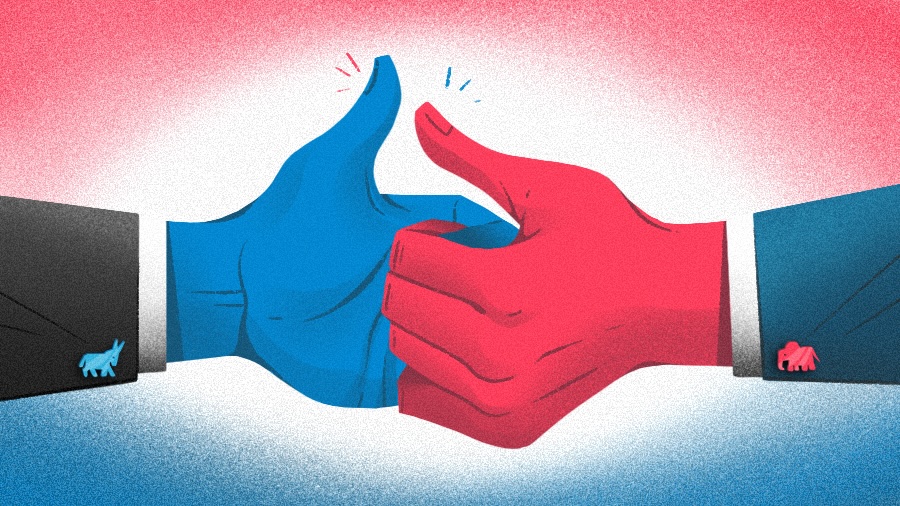
Less than 2% of 2026 startup investment has gone to post-election red states, per Crunchbase data.
Why credit card linking is becoming a key trust signal for AI agents.
A quick guide to the official residences, public role, and political backdrop behind governors’ mansions.