
Hidden Rock Glaciers Could Help Scientists Map Future Freshwater Reserves
A Gizmodo report details how geologists are studying camouflaged rock glaciers on Utah’s Mount Timpanogos, where hidden ice may matter for drought planning and water management.
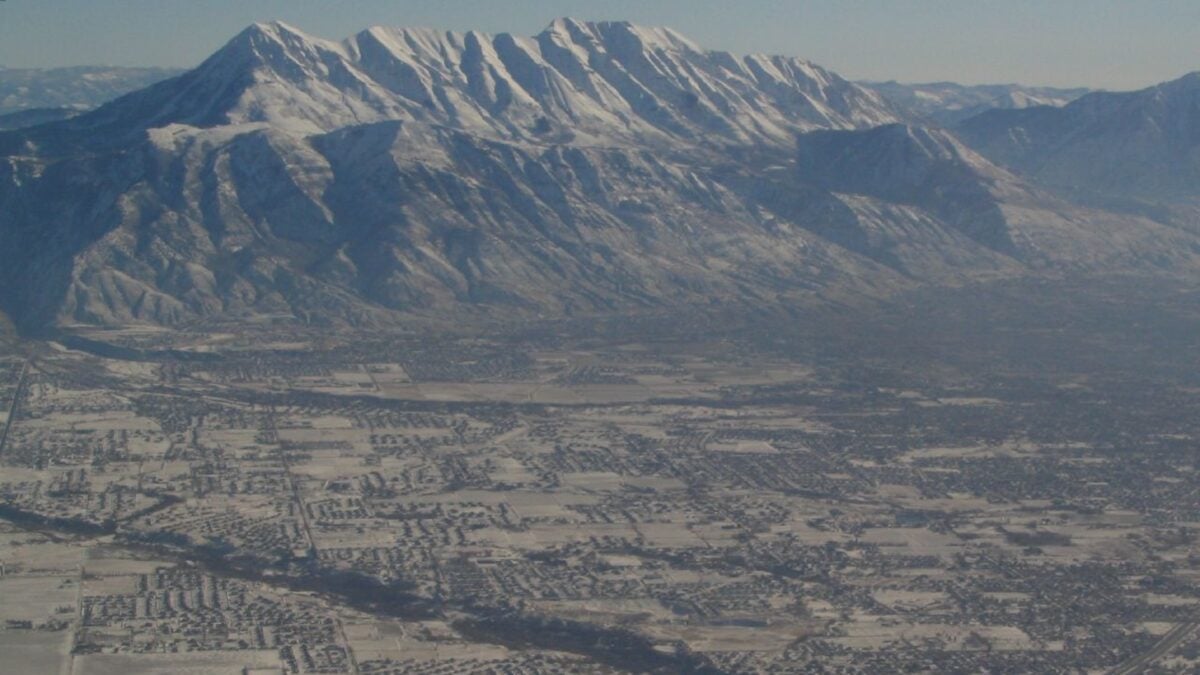
Why Rock Glaciers Matter for Water Planning
Geologists are focusing on rock glaciers: ice-rich formations hidden under loose rock and geological debris. Gizmodo reports that researchers with the Utah Geological Survey, the University of Utah, and other institutions are locating and cataloging these hidden reserves because they may help inform future water management.
The stakes are practical: meltwater from Utah mountains like Mount Timpanogos provides more than 95% of the state’s freshwater supplies, according to estimates cited in the article. If buried ice acts like a protected freshwater reserve, mapping it could help water managers understand where supplies originate and how they may behave during drought.
What Researchers Found on Mount Timpanogos
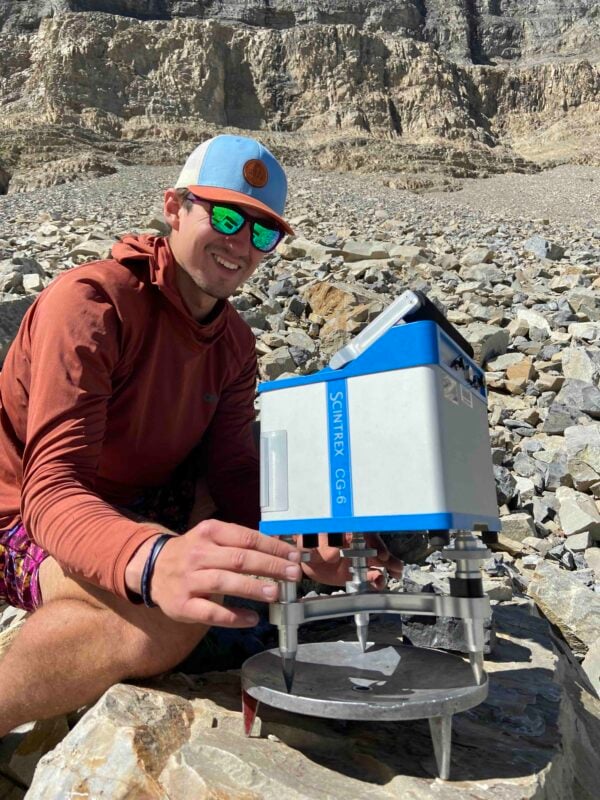
Using a gravimeter, the team documented 70 frozen deposits hidden under debris near the summit of Mount Timpanogos outside Provo. One study cited by Gizmodo estimates that the Timpanogos rock glaciers contain ice equivalent to roughly 600 Olympic-sized swimming pools, or about 396 million gallons.
The fieldwork included 232 gravity measurements taken while traversing the rock glacier. Those measurements helped the team estimate an average hidden ice thickness of about 61.7 feet, or 18.8 meters.
How Loose Rock Can Protect Hidden Ice
Rock glaciers can flow downhill like glaciers or rivers, but their loose-rock covering helps protect and conceal the ice below. Gizmodo quotes researcher Bronson Cvijanovich saying the Timpanogos Rock Glacier is “83% ice and 17% loose rock.”
That protective cover is why these formations may be especially important in warm, arid places such as Utah. The article frames them as climate-resilient water storage sites that scientists are still working to understand.
The Bigger Takeaway: Old Ice, New Questions
A second study described in the article used modeling tools to examine how much of the Timpanogos rock glacier may be ancient permafrost dating back roughly 20,000 years to the Last Glacial Maximum. The work combined data from snow probes planted in May 2024, satellite measurements of visible snow reflectance, and local climate reports.
The findings also suggest some protected ice deposits can occasionally grow. University of Utah glaciology professor Leif Anderson said researchers do not yet know which rock glaciers are still adding ice today beyond those under active study, but added that the Timpanogos rock glacier is still adding ice today.