

Letara’s $16M Space Push
The Sapporo startup is expanding hybrid rocket tech beyond small satellite thrusters.
SpaceTechStartups
Nissan CEO Ivan Espinosa drafted a turnaround plan within six weeks of taking the helm at Japan's struggling automaker. Facing Chinese EV competition, U.S. tariffs, and a failed Honda merger, Espinosa is betting on aggressive cost cuts, a China-built EV, and a culture overhaul to return Nissan to profitability by FY26.
Fortune
Nissan CEO Ivan Espinosa was forced to put together a plan to save the Japanese carmaker in just six weeks: 'I knew what had to be done'
Fortune
Nissan CEO Ivan Espinosa was forced to put together a plan to save the Japanese carmaker in just six weeks: 'I knew what had to be done'
AP News
Nissan's new CEO says the Japanese automaker will move faster to achieve a turnaround
nissan-global.com
Re:Nissan | Our Company | Nissan Motor Corporation Global Website
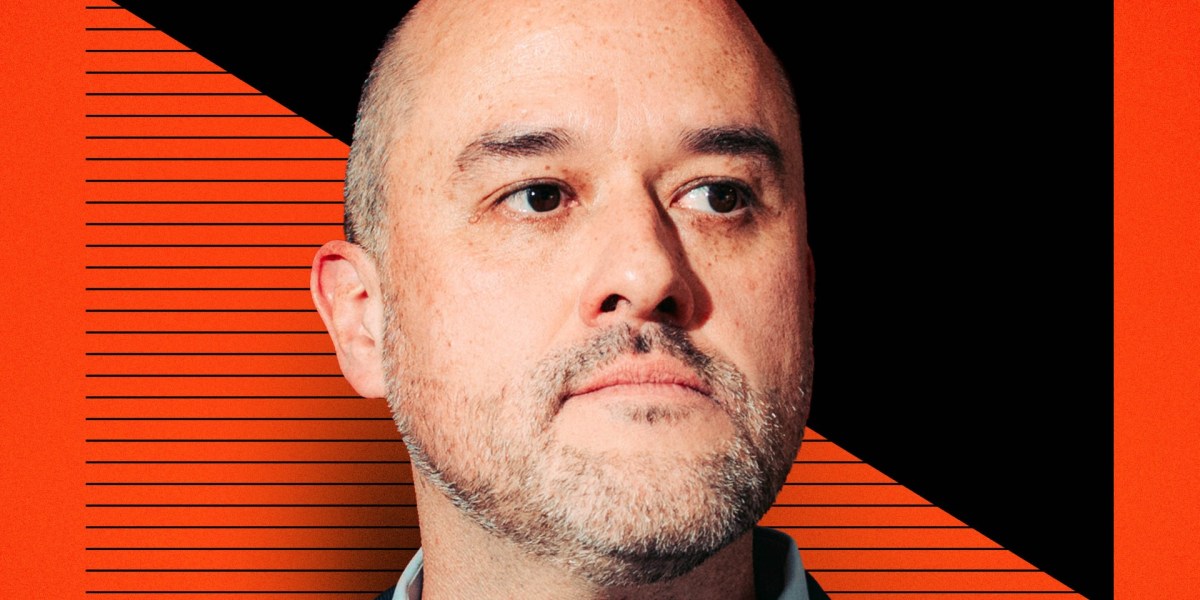
Ivan Espinosa became Nissan's CEO at arguably the worst moment in the 92-year-old automaker's history. He was only the fourth CEO in eight years, stepping in after merger talks with Honda collapsed in February 2025 and predecessor Makoto Uchida stepped down. Espinosa, a Mexican-born engineer who joined Nissan in 2003 and spent most of his career on the product planning side, sat down almost immediately to draft a turnaround strategy. "I knew what had to be done," he told Fortune. "We put a plan together quickly. It took me about six weeks." Nissan's revenue between FY2017 and FY2025 grew just 0.4%, compared to 63% for Toyota over the same period — a stark measure of how far the company had fallen since the 2018 arrest of its then-CEO Carlos Ghosn.
In May 2025, Espinosa unveiled the Re:Nissan plan — an aggressive restructuring program targeting 500 billion yen ($3.1 billion) in cost reductions and a return to operating profit by early 2027. To get there, Nissan pledged to cut 20,000 jobs and reduce its global manufacturing footprint from 17 plants to 10. Closures and asset sales have followed: Nissan announced plans to shut its Kanagawa plant (open since 1961), and sold facilities in South Africa and Mexico. Espinosa described his approach through three pillars — fixing the cost structure, winning back customers and employee morale, and leveraging partnerships with Renault and Dongfeng rather than going it alone. He also launched a "Call Me Ivan" internal communication channel to break down the company's culture of distance between leadership and staff.
China accounts for roughly one-third of Nissan's business, but the company was slow to respond as affordable domestic EVs — led by brands like BYD — won over Chinese consumers in the early 2020s. Nissan's old strategy of designing cars internationally and adapting them for local markets had failed. Espinosa's answer: the Nissan N7, an electric sedan designed and engineered entirely in China in partnership with Dongfeng, developed in just 24 months. With some models priced as low as 119,900 yuan ($17,600), the N7 is priced to compete directly with Chinese EV brands. By August 2025, monthly deliveries had reached 10,148 units. "We have the cost, the speed, and the technology of China because we built the car there," Espinosa said.
Just days after Espinosa took the CEO role, the Trump administration imposed tariffs on Japanese cars — initially as high as 27.5%, later negotiated down to 15%, still six times the prior 2.5% rate. In response, Nissan accelerated its U.S. local content strategy, reaching approximately 58% domestic content in U.S.-market vehicles by end of 2025, up from 45% a year earlier, with a target of 60%. Nissan's last fiscal year (ending March 2026) saw revenue fall 5% to 12 trillion yen ($74 billion), with a net loss of 533 billion yen ($3 billion) — though smaller than the 671 billion yen loss the year before. The company forecasts a modest 20 billion yen ($120 million) net profit for FY26. Shareholders remain impatient: Nissan shares have lost 45% of their value over five years, and at the June 2026 annual general meeting, investors rejected board appointments and one even proposed reinstating Carlos Ghosn as CEO. Espinosa acknowledged the work still ahead: "The lower management — this is where things are still a bit challenging."
The Sapporo startup is expanding hybrid rocket tech beyond small satellite thrusters.