

Bloom Raises $3.6M
Bloom is expanding beyond mobility into an AI-powered U.S. manufacturing marketplace for drones, robotics, and hardware startups.
StartupsManufacturing
Austin-based Tiny Health raised a $33 million Series B led by B Capital as demand grows for its at-home microbiome tests and provider-focused testing platform.
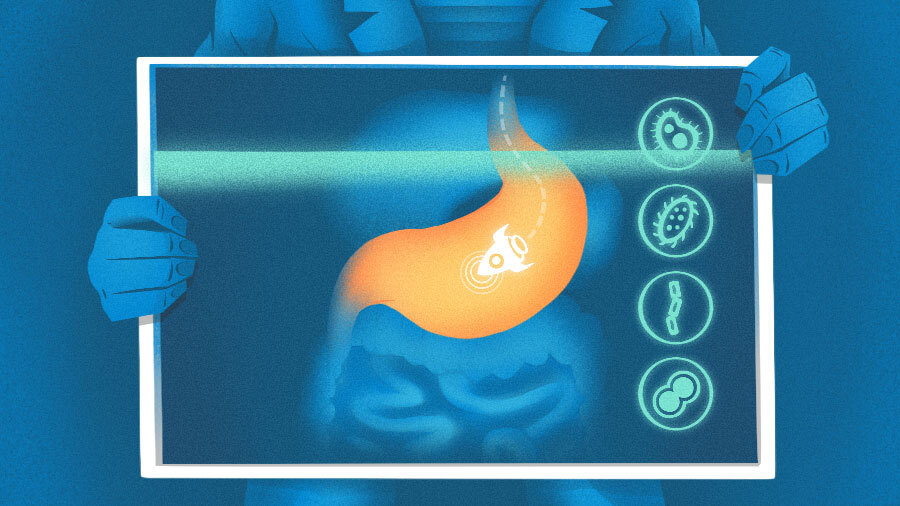
Tiny Health, based in Austin, raised $33 million in a Series B round led by B Capital. The round brings the company’s total funding to $46 million, following a $4.5 million seed round in 2021 and an $8.5 million Series A in late 2023.
Existing investors Spero Ventures, The Venture City and Overwater Ventures participated, along with new investors including Black Opal Ventures and Alumni Ventures. B Capital’s Nick Whitehead will join Tiny Health’s board.
Tiny Health offers at-home microbiome tests that use a swab-collected stool sample to detect microbes and generate a report with explanations and suggested next steps. The company began with baby gut testing, later offering pregnancy, vaginal microbiome and adult tests; adults have since become its larger testing segment.
Its tests use shotgun metagenomic sequencing to analyze microbial DNA, which CEO Cheryl Sew Hoy says provides a broader view than tests that look for a limited set of microbes. The company describes the product as a wellness test, not a diagnostic, and the tests are not covered by insurance.
Tiny Health’s B2B arm, Powered by Tiny, sells testing through healthcare providers and companies that incorporate it into their own services. Partners named by the company include Superpower, Fullscript and Mayo Clinic’s Executive Health and Longevity Programs.
The company says it serves more than 6,000 practitioners and offers training on how to use its tests in patient care. The new funding is expected to support provider expansion, enterprise growth and clinician training.
Tiny Health has collected nearly 200,000 microbiome samples over time, according to Sew Hoy. The company is developing TinyAI, a tool designed to help people understand results using company data and research reviewed by its scientific staff.
Longer term, Tiny Health wants to identify patterns that could help spot health risks before conditions develop. The company says it has published four scientific papers, plans more adult-focused research, and will devote $5 million to a program giving researchers and clinical partners access to its testing and data.
The financing signals investor interest in preventive health tools and consumer-paid testing, especially where companies can build provider channels beyond direct-to-consumer sales. Tiny Health’s opportunity depends on translating microbiome science into useful, evidence-backed guidance while staying clear about what testing can and cannot prove.
For consumers, the practical distinction is important: a microbiome report may provide information and suggested next steps, but it cannot establish what caused symptoms. For health-tech watchers, Tiny Health’s provider adoption, sample dataset and research program are the core metrics to follow.
Bloom is expanding beyond mobility into an AI-powered U.S. manufacturing marketplace for drones, robotics, and hardware startups.

The AI cloud startup is seeking up to $4B before a planned 2027 IPO.

Benchmark backs Furientis’ push to mass-produce low-cost missile interceptors.

Ex-Ramp engineers pivoted Melius from ad-spend optimization to AI-generated campaigns, images, and videos.