
Russia Plague Case: What’s Known
WHO says risk is very low, while experts call for more transparency around a Siberian lab worker’s death.
HealthRussia
A colorectal dietitian with 20 years of experience shared the foods she eats regularly and the meat she limits to help lower colon cancer risk.
Sophie Medlin, a London-based colorectal dietitian with 20 years of experience, says her work has shaped how she eats to lower her risk of colon cancer. She and her husband, who is a chef, cook most meals at home and mainly eat whole, unprocessed foods, while still going out or ordering takeout sometimes. Her approach is practical rather than rigid: consistency matters, but perfection is not the goal.
Medlin said she has “essentially eliminated processed meat,” including foods such as hot dogs, deli meat, and beef jerky. The article notes that processed meat and unprocessed red meat have been linked to colorectal cancer to varying degrees. Medlin still eats red meat but limits it to a maximum of two servings a week; the World Cancer Research advice cited in the article is no more than 350 to 500 grams of red meat a week, or around three portions.
Eating plenty of plants is a priority for Medlin because fiber feeds beneficial microbes in the gut microbiome. The article explains that these microbes live in the colon lining and are connected to overall health and chronic disease risk. Her simple tip for patients is to chop up and add one extra vegetable to the pan at dinner, creating more plant variety without making the meal harder.
Medlin also eats some form of fermented food every day, such as yogurt or kimchi. Fermented foods are made with ingredients like live bacteria, yeast, or mold and are thought to introduce new “good” microbes to the gut microbiome. She often makes tzatziki with Greek yogurt, cucumber, extra virgin olive oil, and herbs, or adds pickled cabbage or yogurt to meals like condiments.
WHO says risk is very low, while experts call for more transparency around a Siberian lab worker’s death.
A small converted garage becomes a meaningful transitional home during separation.
Air Force, Navy, and Coast Guard veterans showed higher ALS rates in a new study, but the causes remain unidentified.
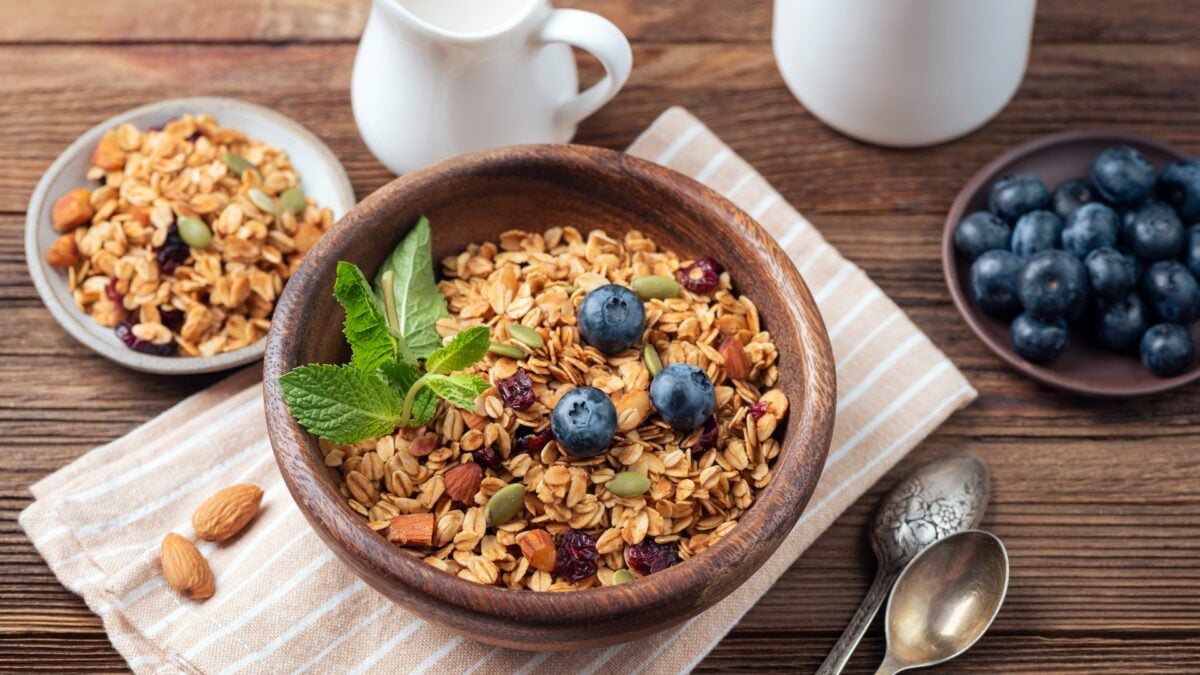
Lacnola Lactation Granola sold online is being recalled over Salmonella concerns.