

Flai’s dealership AI scales up
The startup reports 50,000 monthly appointments, 20x revenue growth, and a $27 million Series A.
AIStartups
A TechCrunch road trip covering more than 600 miles highlights major improvements in U.S. DC fast charging, from shorter stops to better reliability and wider network access.
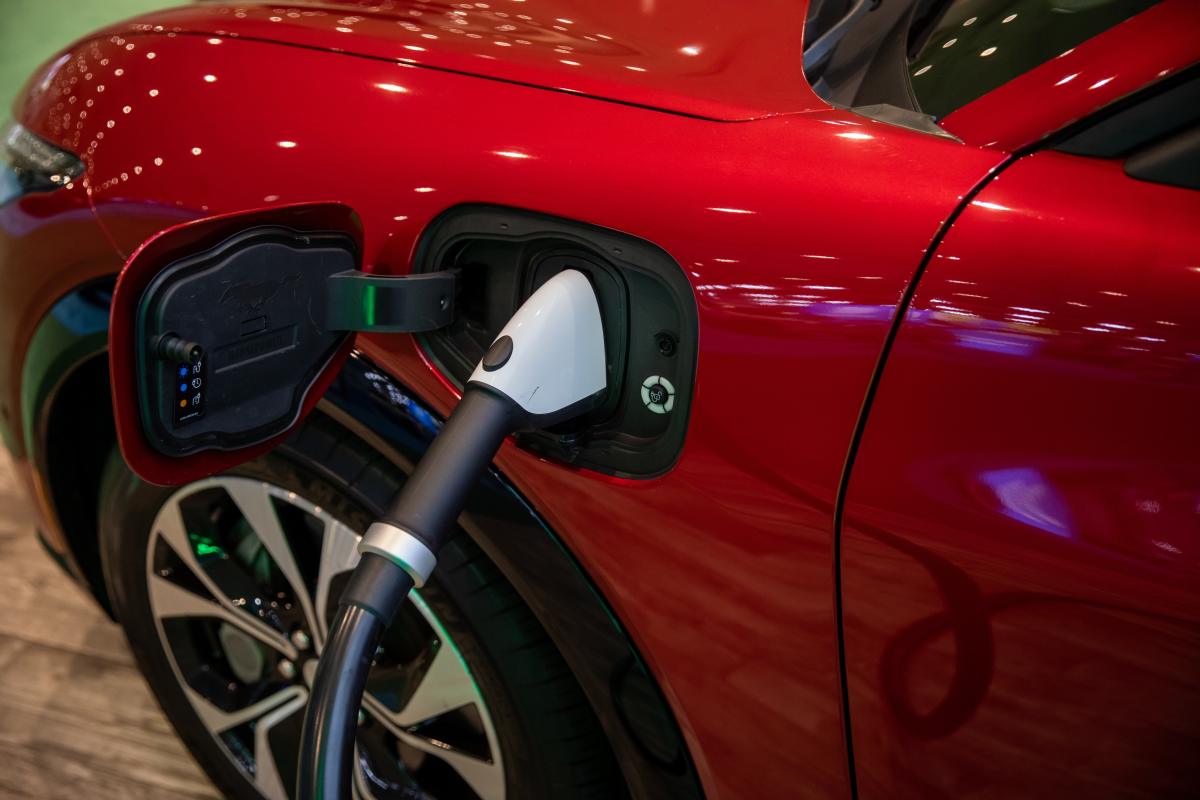
Public charging remains a major concern for prospective EV buyers, with TechCrunch citing AAA survey data showing just over half of respondents flagged infrastructure as a key issue. But the article argues that real-world charging has changed sharply in recent years, especially for DC fast charging. The core takeaway: EV road trips still require planning, but the experience is becoming faster, more predictable, and less stressful.
TechCrunch’s recent road trip to Montreal covered more than 600 miles in an Audi e-tron with about 220 miles of range per charge. Charging stops were planned with A Better Route Planner, and most sessions were smooth, including Rivian chargers near Lebanon, New Hampshire, where all six 300-kilowatt chargers were working. Each charging session lasted about 20 minutes and was paired with lunch or rest breaks, so the travelers never waited on the car.
The trip’s only reported problem came at a Circuit Électrique station outside Montreal, where the card reader did not work. The session continued after downloading the network’s app and loading it with 20 Canadian dollars. That stands in sharp contrast to a 2023 trip described in the article, when broken chargers, inaccurate app status, and repeated customer service calls made a shorter EV journey far more frustrating.

TechCrunch reports that the U.S. had about 32,000 DC fast chargers in July 2023, according to the Joint Office of Energy and Transportation, and says the current total is now more than double that level. Wider access to much of Tesla’s network, plus continued expansion by Tesla and other companies, has changed the charging landscape for many drivers. Reliability has also improved, with Paren’s reliability index rising nearly 10 points since last year, from 85 to the mid-90s, though the article notes that network gaps and broken chargers still exist.
The startup reports 50,000 monthly appointments, 20x revenue growth, and a $27 million Series A.

Amazon says AWS has stopped using NDAs with government agencies amid data center scrutiny.

Rivian’s R2 helped push Q3 deliveries above 19,000 EVs.

Tesla delivered more than 486,532 EVs in Q3, up from Q2 but below last year’s record quarter.