

Volkswagen’s Ultra-Efficient EV
A near-production prototype pushes EV efficiency with big range gains and real-world compromises.
EVsVolkswagen
A concise outline of Fortune’s report on Daimler Truck CEO Karin Rådström, her culture overhaul, China’s growing EV-truck threat, and the company’s bets on defense and autonomous driving.
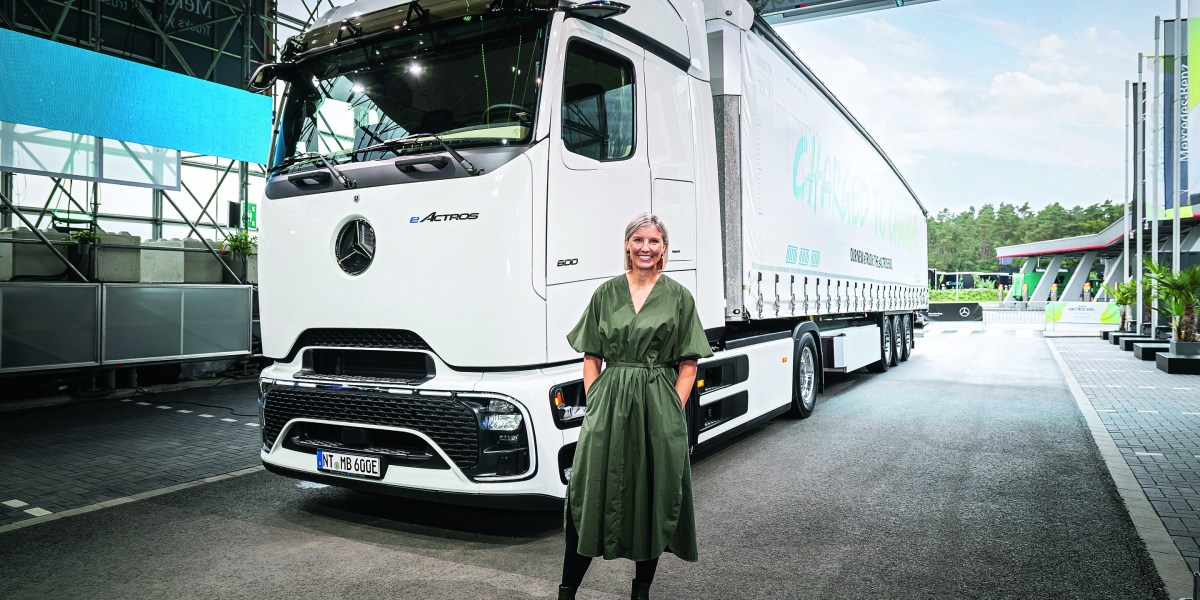
Karin Rådström now leads Daimler Truck, described by Fortune as the world’s largest manufacturer of commercial vehicles, after rising through Scania from marketing trainee to senior leadership roles. Her appointment made her only the second woman to lead a DAX 40 company, and she is one of 43 women CEOs in the Fortune 500 Europe. The central tension is clear: a company with deep history must adapt quickly as electric trucks, tariffs, geopolitical issues, and new competitors reshape the market.
Rådström has pushed Daimler Truck toward quicker decisions and more autonomy, using the mantra “simpler, faster, and stronger.” Fortune reports that she was surprised by the company’s hierarchy and the number of decisions escalating to the CEO’s desk, including formal approval of a truck cab design. The practical takeaway for leaders: speed matters when markets are changing, because waiting for perfect information can mean missing major opportunities.
Fortune frames Chinese competition as a rising threat, especially as Europe’s shift to electric trucks accelerates. Chinese companies currently hold a marginal 1.36% share of the European commercial-vehicle market, according to Dataforce cited in the article, but companies including SuperPanther, Sinotruk, and Windrose are expanding their European presence. The article notes that Windrose’s Global E700 truck has a fully loaded range of 700 km, compared with 500 km for Daimler Truck’s flagship model, underscoring why technology and cost competitiveness are becoming urgent.
Europe’s emissions rules add another strategic test: the European Commission requires a 43% reduction in emissions from new heavy-duty vehicles by 2030, while only 2.4% of trucks operating in the EU in the first quarter of 2026 were zero-emissions vehicles, according to the article. Daimler Truck is also targeting defense growth, aiming to double defense-related revenues to €1 billion by 2028 through its Daimler Truck Defence brand. Rådström is also looking toward autonomous driving, with ambitions to release Level 4 autonomous trucks to the U.S. market by 2027.
A near-production prototype pushes EV efficiency with big range gains and real-world compromises.

Hero MotoCorp’s latest Ather Energy share purchase takes its holding to 32.8%.
Orion Hindawi returns as Tanium CEO as the cybersecurity company responds to AI-driven software shifts.
Jennifer Lemcke once disliked her dad’s Weed Man business. Now she runs it.